ופרופסור סמק חושב כל יום מה היה עושה במקום אבא שלו שעמד ברחוב בלי קורת גג לילדיו.
And Professor Samek wonders every day what he would have done in his father's shoes—the Holocaust refugee who stood in the street without shelter for his children
GO HOME | Mosques in Tel Aviv
Asad Ezzi
The deeper we sail into the 21st century—an age of fluid borders, blurred reality, and rippling silence—the sharper grows the question of the essence of home, its values, its role, and its future.
For hundreds of years, the home was a firm—or almost firm—foundation for orientation, bearing, and ventures of world conquest.
What is left to us of that home? And what is meant to remain?
This is what Ora Ruven asks in her new and older works, in varied and contemporary modes of representation. She probes the idea of home from its different aspects: home as the soul’s dwelling; home as an envelope for the body; home as birthplace; even home as culture and as a way of life. Ora examines carefully and boldly her body as her home, her childhood home in Jaffa, her parents’ home in Nahalal, and her Tel Aviv—her cultural, value-based home.
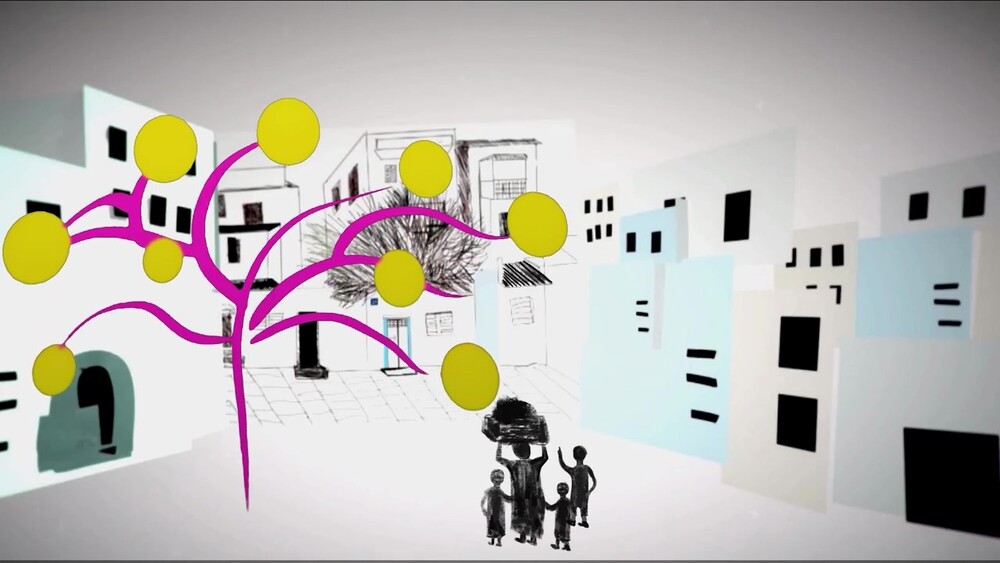
The virtual graffiti she produces brings forth a symbolic, virtual reality that raises conceptual and ethical questions—about the nature of language, the language of art, and about its textures.
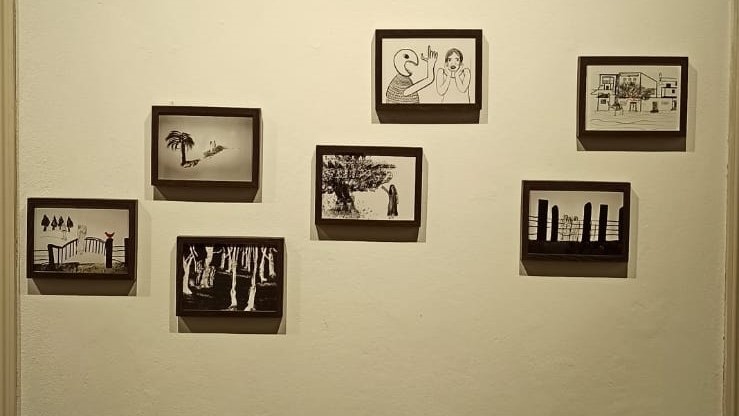
Through three layers of manipulation—the photographic medium, its digital treatment, and drawing—she creates a world that has no existence except in the folds of her consciousness and between the squares of the pixels. Thus she invents fictions that partly rely on reality—whether her home in Jaffa or Nahalal the mythical settlement, or the secular culture courtyards of Tel Aviv.
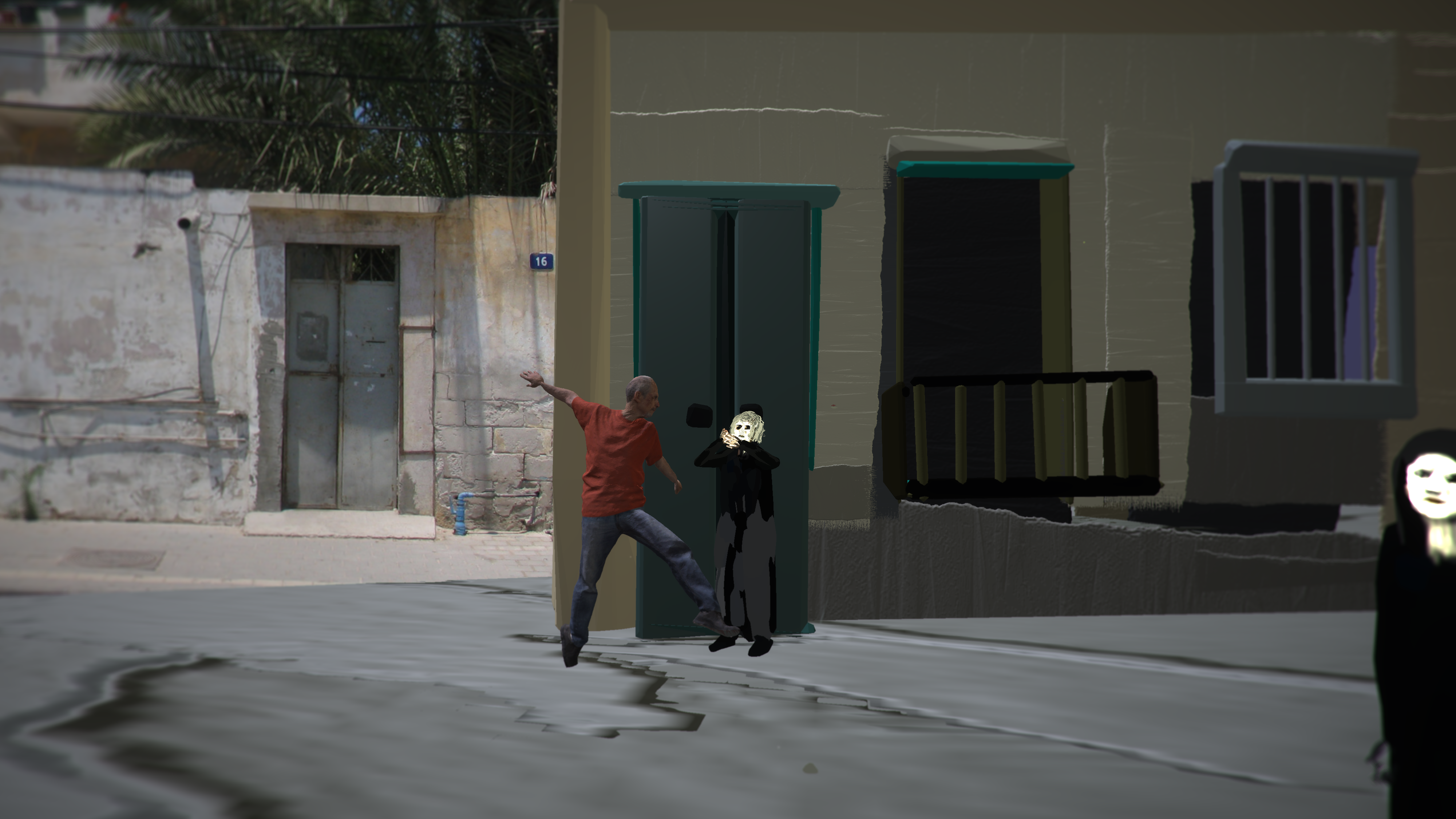
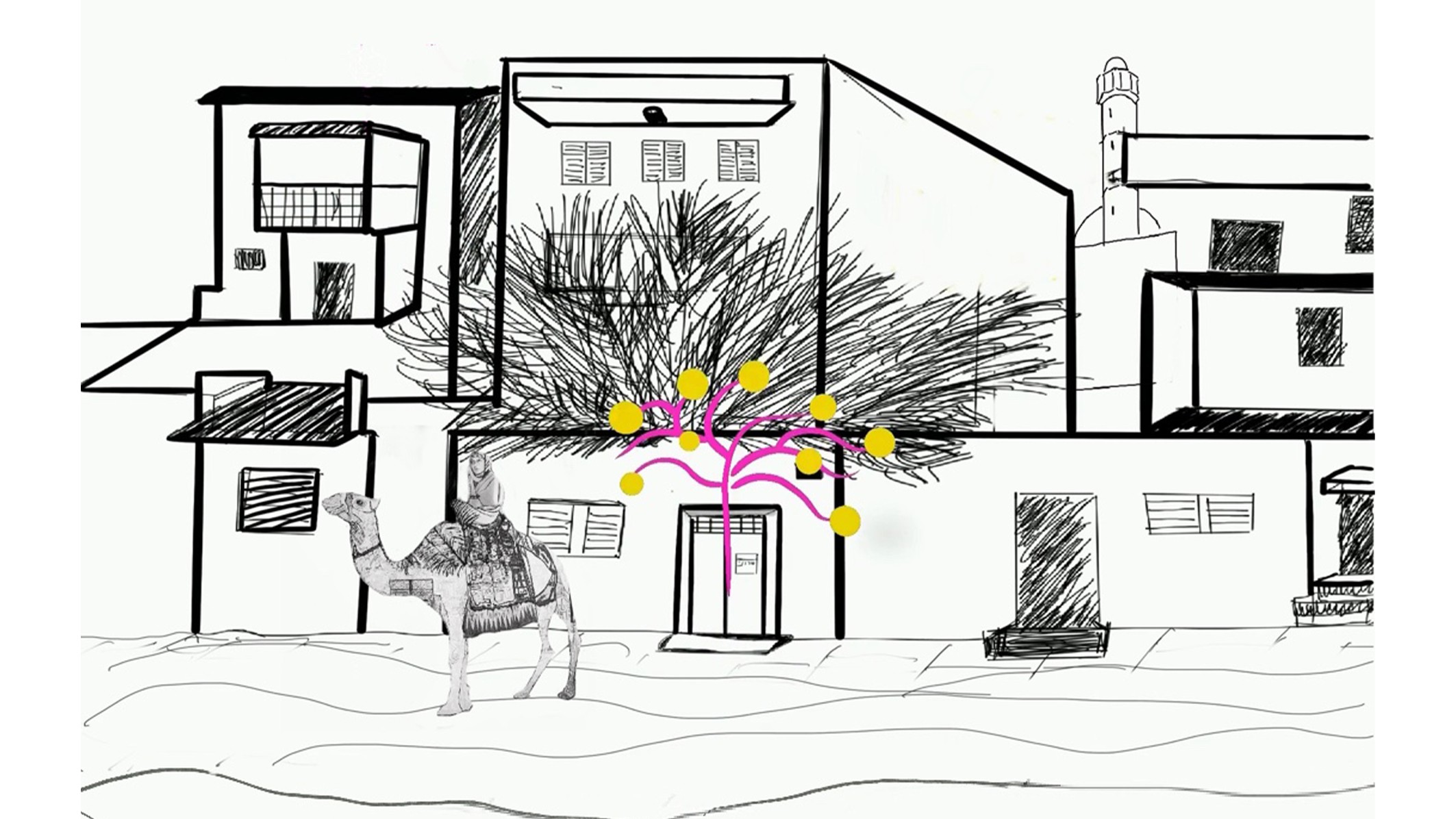
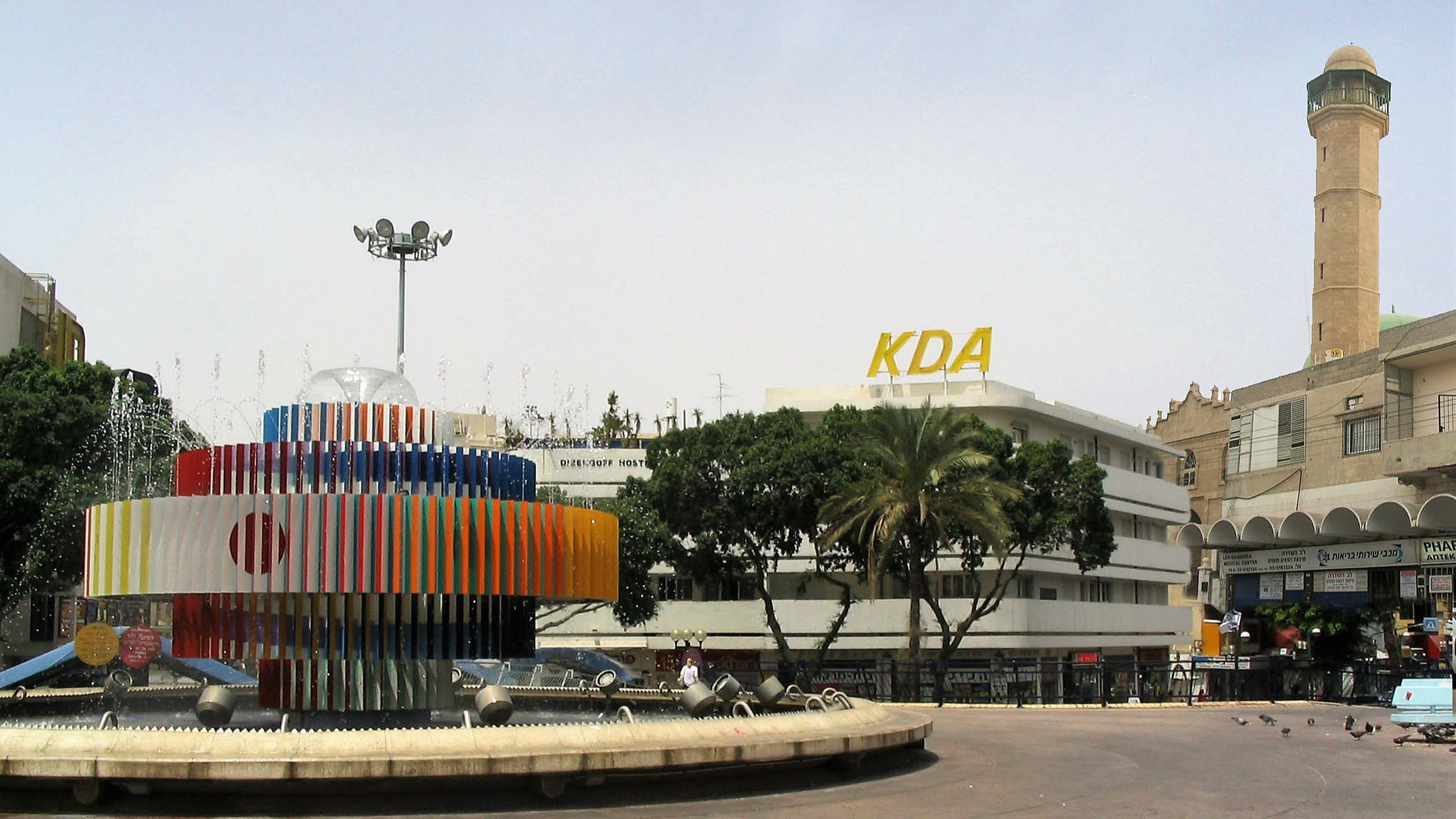
At times she invades her home in Jaffa and stamps images from familiar paintings onto its outer walls; at other times she copies the Hassan Bek Mosque and offers its place in the secular, democratic squares of north-west Tel Aviv.
Her mother’s and father’s graffiti etchings on contemporary photographs of Nahalal only underscore her intrusiveness: as an artist she penetrates forbidden places and marks personal and public taboos—all from afar, with a remote control / computer.
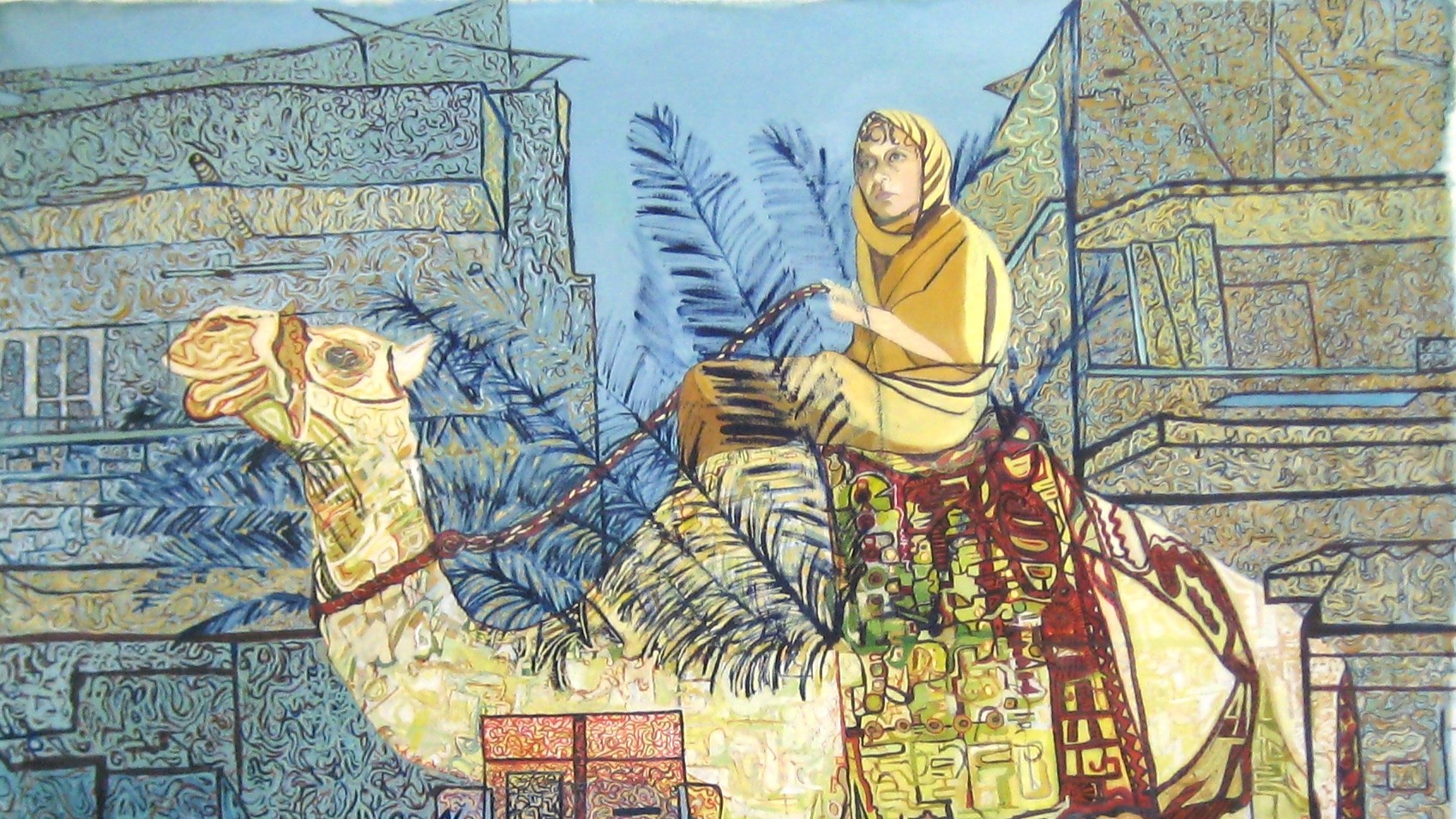
Yet she herself wanders on a camel through exotic spaces—not as a Canaanite, not as a Zionist, not as an Orientalist, and perhaps as all of these. But more than that—as an artist who observes and scrutinizes with a mature, sharp eye.
לכי הביתה אורה ראובן | מסגדים בתל אביב
אסד עזי
ככל שאנו מפליגים עמוק לתוך המאה ה־21, עידן הגבולות הנזילים, המציאות העמומה והשקט המבעבע, הולכת ומתחדדת שאלת מהות הבית, ערכיו, תפקידו ועתידו.
הבית הוא שהיה במשך מאות רבות בסיס איתן או כמעט כזה, להתמצאות, אוריינטציה ולגיחות כיבושי עולם.
מה נותר לנו מאותו בית? ומה אמור להיוותר?
זה מה שאורה ראובן שואלת בעבודותיה החדשות/ישנות באופני ייצוג מגוונים ועכשוויים. היא בודקת את מושג הבית על היבטיו השונים: הבית כמשכנה של הנפש והבית כמעטפת לגוף והבית כמולדת ואפילו הבית כתרבות וכדרך חיים. אורה בוחנת בקפידה ובתעוזה את גופה כביתה ואת בית ילדותה ביפו ואת בית הוריה בנהלל ואת ביתה הערכי התרבותי תל אביב.
הגרפיטי הווירטואלי שאורה מייצרת מנכיח מציאות סימבולית ווירטואלית המציפה שאלות מושגיות וערכיות, הן לגבי מהות השפה, שפת האמנות והן לגבי תכניה.
בשלושה רובדי מניפולציה נעזרת אורה – במדיום הצילום, הטיפול הדיגיטלי בו, והרישום – ויוצרת עולם שאין לו קיום אלא בנבכי תודעתה ובין ריבועי הפיקסלים. כך היא יוצרת בדיות שבחלקן מסתמכות על המציאות – אם זהו ביתה ביפו או נהלל היישוב המיתולוגי, ואם אלה הן חצרות התרבות החילונית בתל אביב.
לעיתים היא פולשת לביתה ביפו ומטביעה דימויים מציורים מוכרים שלה על קירותיו החיצוניים, ולעיתים אחרות היא מעתיקה את מסגד חסן בק ומציעה את מקומו בכיכרותיה החילוניים והדמוקרטיים של צפון תל אביב המערבית.
רישומי החריטות של אמה ואביה על צילומי נהלל העכשווית רק מדגישים את הפולשנות שלה, כאמנית היא חודרת למקומות אסורים ומסמנת טאבואים אישיים וציבוריים, הכול מרחוק בעזרת שלט־רחוק/מחשב.
ואולם היא עצמה משוטטת על הגמל במרחבים אקזוטיים, לא ככנענית, לא כציונית, לא כאוריינטליסטית, ואולי כל אלה. אך יותר מזה כאמנית מתבוננת ובוחנת בעין בוגרת וחדה.