איך למות ולהישאר בחיים
How to Die and Stay Alive
How to Die and Stay Alive
Ora Ruven
I have nowhere to flee from the state of the body that is about to meet death. And where is the soul? The soul is what examines the body and death. The soul will never meet death, because the moment death is here, the soul is already gone. This equation removes from me entirely the fear of death. So I remain here with the body. And it grows weaker, slackens, goes on and on.
We are used to looking at our bodies and judging how they look. Young and beautiful, black or white, an old wrinkled body�€� But I think about the parts of the body that stop working with me: the eyes that need different kinds of glasses, the hearing that makes me fall silent in conversation because I did not catch what was said, the knees that ache when I walk, and the frayed memory that makes me search for where I wrote things I wanted to remember.
And I think about the look of the old body. When it was in full beauty many eyes turned toward it, and I felt a little like a peacock with a fine tail. Then less. Then not at all. A loss one must come to terms with. Until the old body becomes invisible. People do not want to see it.
But my grandson comes and teaches me about the old-age �€œmuscle.�€� That muscle does not appear in anatomy books; the muscle is this skin along the upper arm that women take care to cover with a sleeve. The little boy comes to me laughing, shakes the loose skin at the bottom of my arm and says, Grandma, here is your old-age muscle! The child is free of the revulsion this wasting flesh arouses in the adult world; he marvels at the wasted flailing flesh as he marvels at a chick breaking out of its shell �€” in his eyes there is no difference between the two wonders.
And what will my grandson do after my death? I want to offer him a sitting corner at home where he will �€œsee�€� me �€” my death mask and beautiful pictures of me �€” and remember me, and not go to memorials at cemeteries.
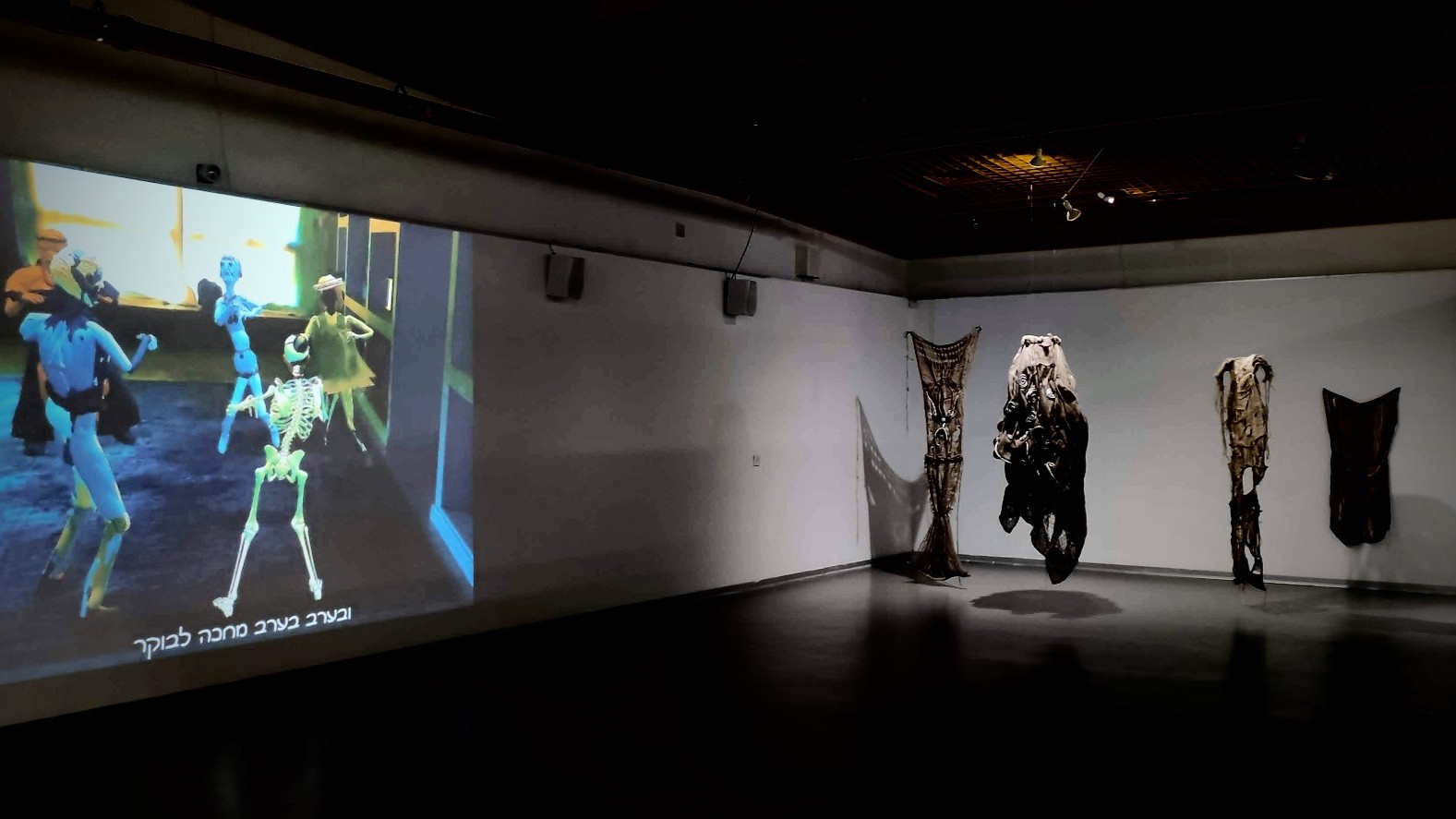
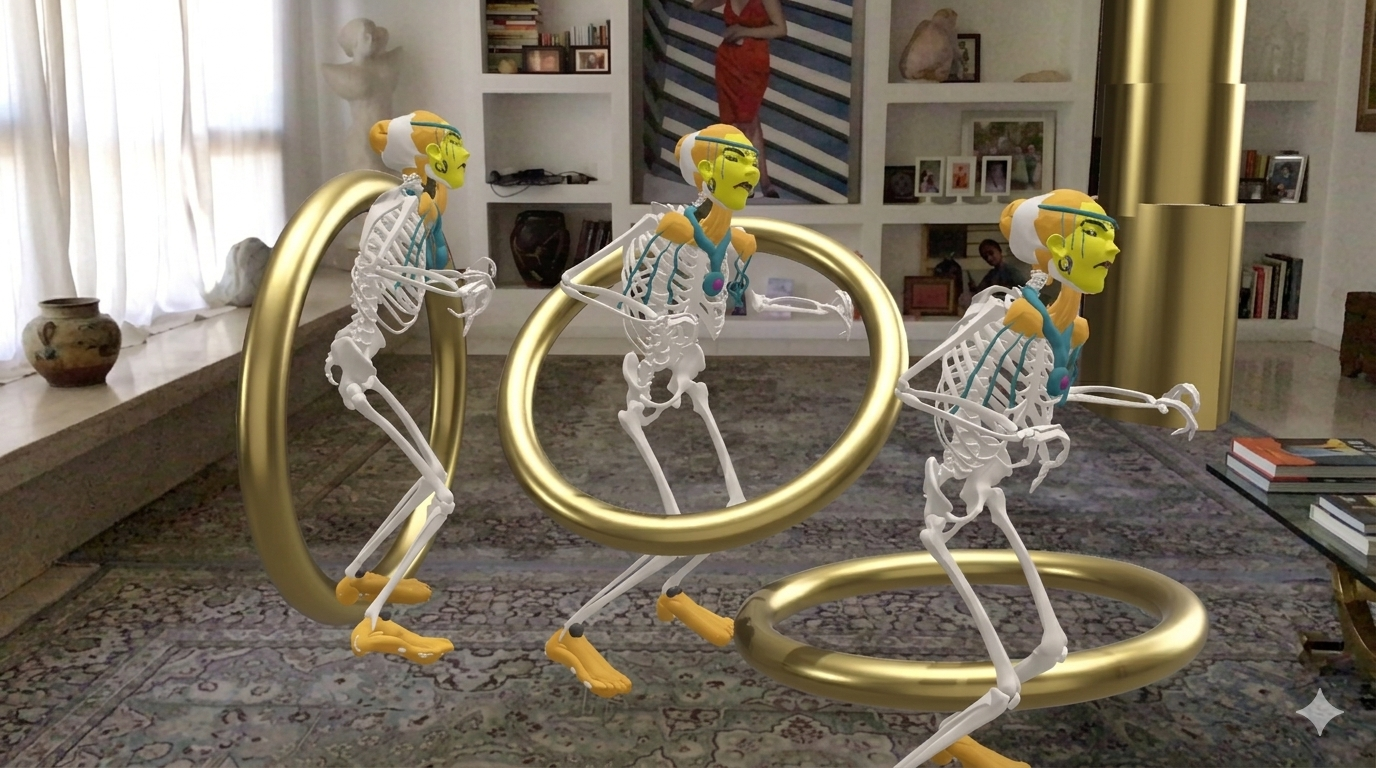
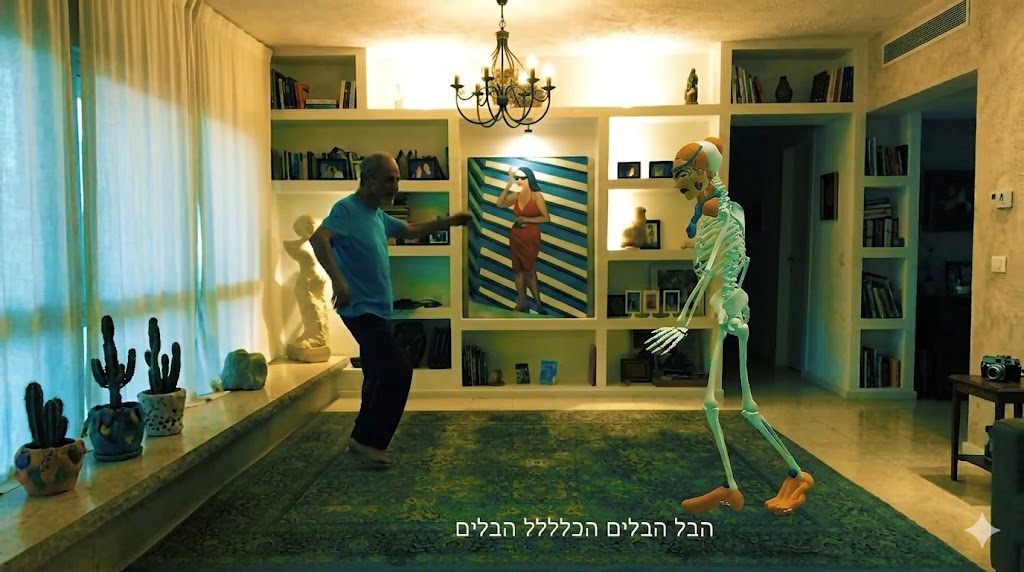
Ars moriendi is a fifteenth-century guide for those who were dying of the Black Death; it concerns purification of the soul in order to reach heaven. My video also offers preparing for death through celebration of life �€” not weeping over death but preparing for it, going to die properly: that is purification!
Sackcloth and ashes
�€œAnd Jacob rent his garments, and put sackcloth upon his loins, and mourned for his son many days.�€� (Genesis 37:34)
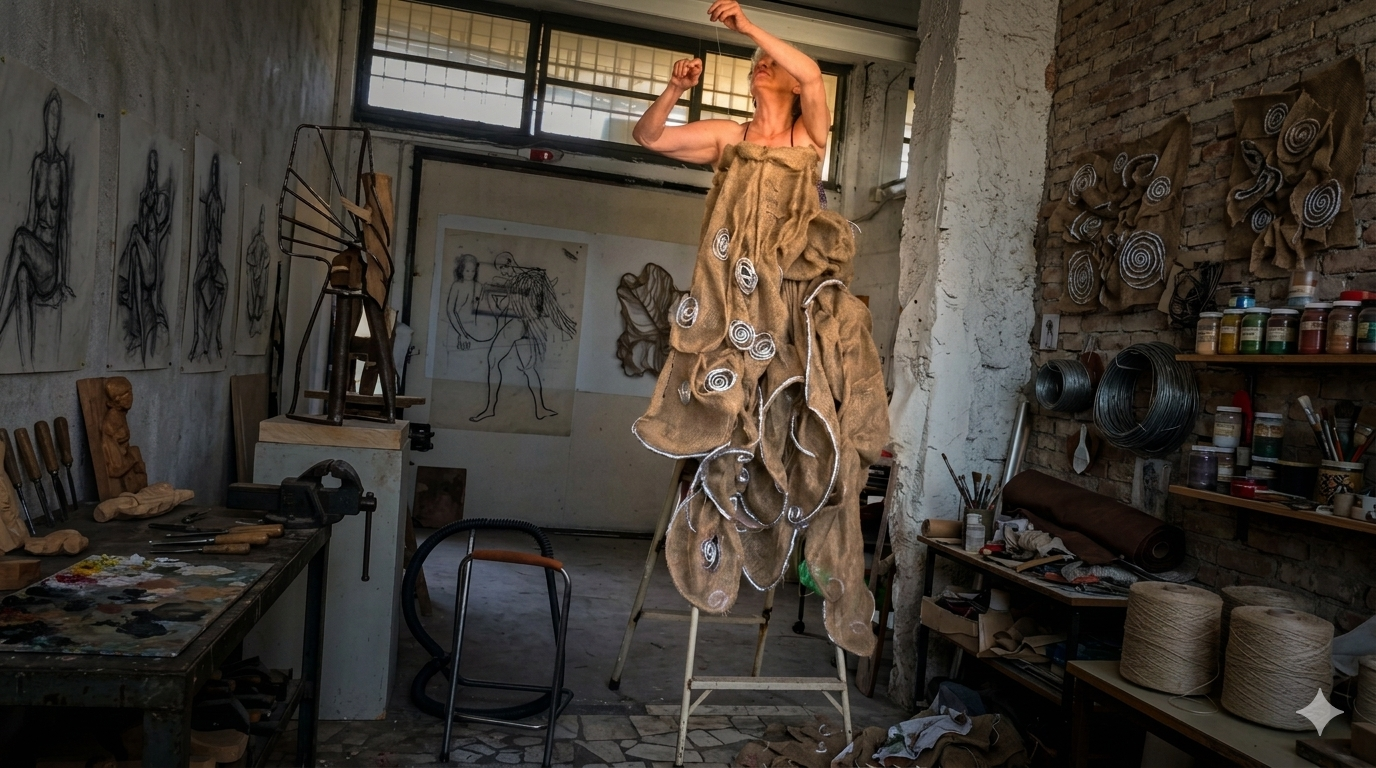
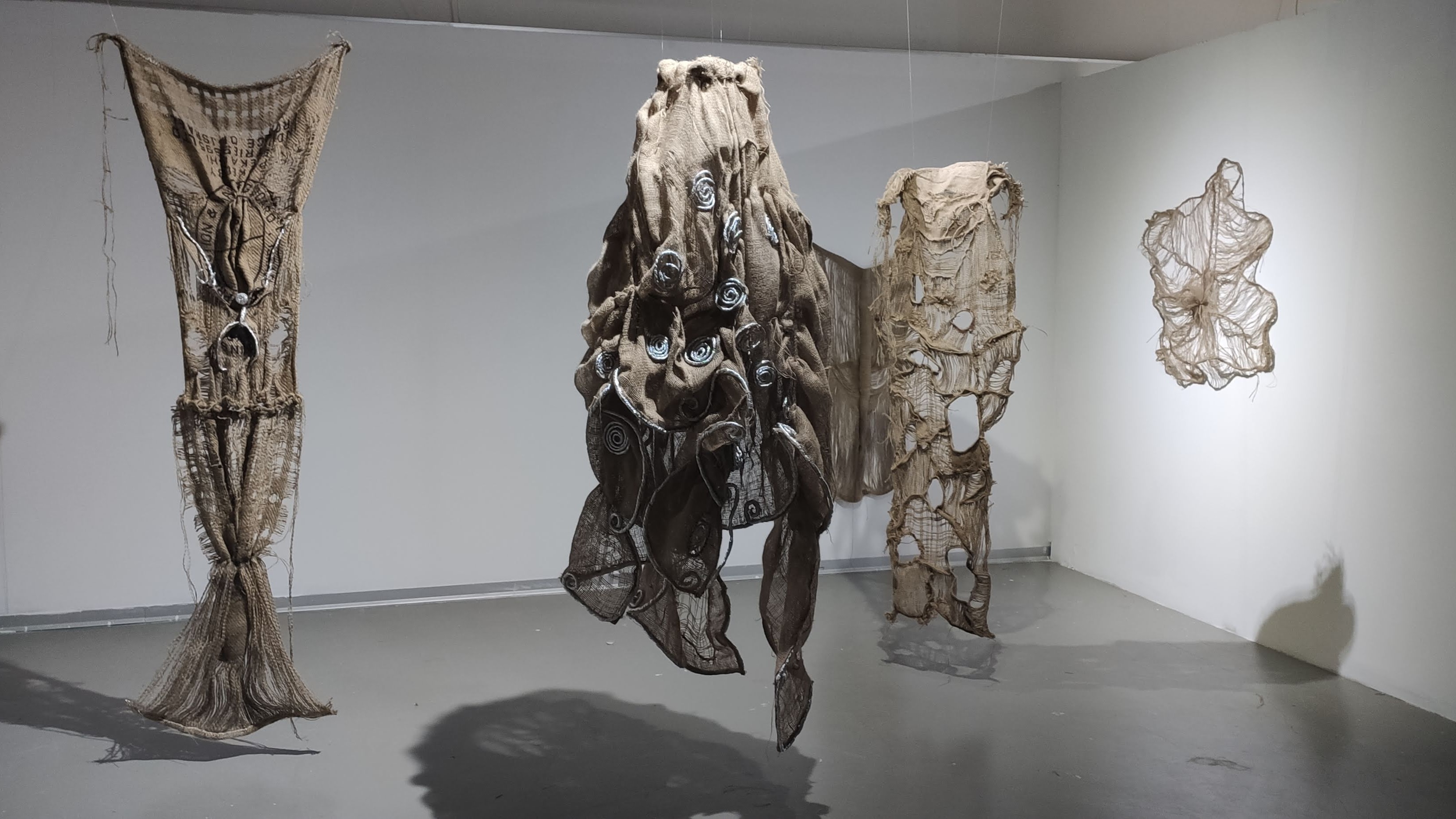
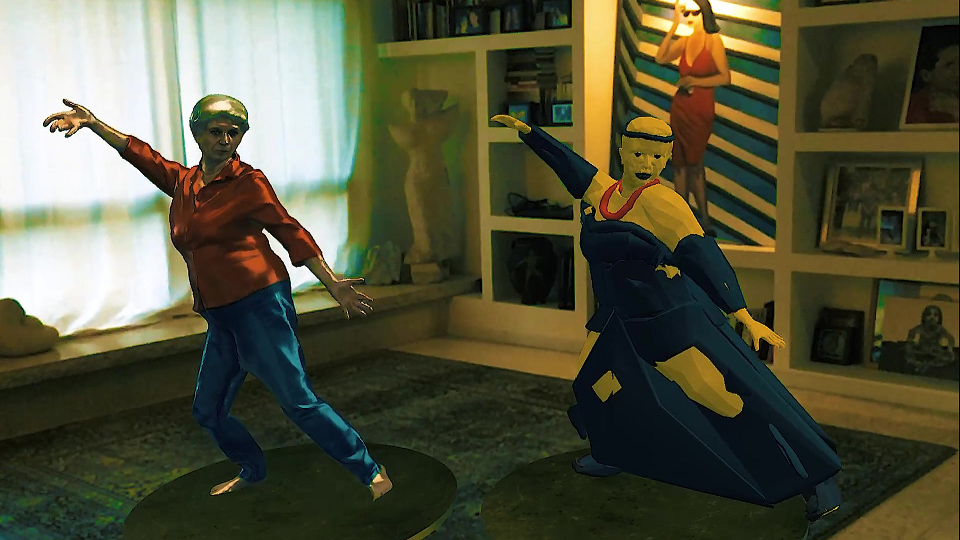
In Jewish tradition mourners wore sackcloth and threw ashes on their heads. Sackcloth is the lowliest of textiles �€” cheap, crudely woven �€” and not used for clothing at all but for storage. Wearing sackcloth in mourning presents the mourner�€™s lowliness toward death. Its color recalls human skin, and its weave allows it to be torn apart easily by pulling threads outward. The more I worked on designing mourning garments for celebrating death, the more I felt that sackcloth is us: the organic body, slowly unraveling, wrinkling, collapsing, until we become a row of bones. In this metaphorical spirit I was caught in the obsessive magic of pulling threads from the sackcloth. Pulling threads that thin and disintegrate the fabric, and pulling threads that gather and wrinkle it �€” these became my shaping tools.
איך למות ולהישאר בחיים
אורה ראובן
אין לי לאן להימלט ממצב הגוף העומד לפגוש את המוות. ואיפה הנפש? הנפש היא הבוחנת את הגוף ואת המוות. הנפש לא תפגוש לעולם את המוות, כי ברגע שהמוות פה, הנפש כבר לא פה. המשוואה הזו מסירה ממני לחלוטין את פחד המוות. כך אני נותרת כאן עם הגוף. והוא הולך ונחלש, הולך ונרפה, הולך והולך.
אנחנו נוהגים להתבונן בגופנו ולהתייחס למראהו. צעיר ויפה, שחור או לבן, גוף זקן ומקומט… אבל אני חושבת על חלקי הגוף שמפסיקים לעבוד איתי. העיניים שצריכות סוגי משקפיים שונים, השמיעה שגורמת לי להשתתק בשיחות כי לא קלטתי מה אומרים, הברכיים שמכאיבות לי בהליכה, והזיכרון המרופט שדורש ממני להיזכר איפה רשמתי דברים שרציתי לזכור.
ואני חושבת על מראה הגוף הזקן. כשהיה במלוא יופיו עיניים רבות נישאו אליו להתבונן בו, והרגשתי קצת כמו טווס יפה זנב. ואח"כ פחות. ואח"כ בכלל לא. אובדן שיש להשלים איתו. עד שהגוף הזקן הופך להיות בלתי נראה. לא רוצים לראות אותו.
אבל הנכד בא ומלמד אותי על שריר הזיקנה. השריר הזה לא מופיע בספרי אנטומיה, השריר הוא העור הזה במעלה הזרוע שנשים מקפידות לכסות בשרוול. הנכד הקטן בא אלי צוחק, מטלטל את העור הרפוי בתחתית הזרוע שלי ואומר לי, סבתא הנה שריר הזיקנה שלך! והילד נקי מהדחייה שהבשר המידלדל הזה מעורר בעולם המבוגרים, הוא נפעם מהבשר המידלדל והמיטלטל כמו שהוא נפעם מאפרוח שבוקע מקליפתו, אין הבדל בעיניו בין שני הפלאים.
ומה יעשה הנכד שלי לאחר מותי? אני רוצה להציע לו פינת ישיבה בבית, שבה "יראה" אותי, את מסכת המוות שלי ותמונות יפות שלי, ויזכור אותי, ולא ילך לאזכרות בבתי קברות.
ארס מוריינדי הוא מדריך מהמאה החמש עשרה לאלו ההולכים למות בשל המגפה השחורה, ועניינו היטהרות הנפש כדי להגיע לגן עדן. הווידאו שלי מציע גם הוא להתכונן למוות על ידי חגיגת החיים, לא לבכות על המוות אלא להתכונן אליו, ללכת למות כראוי, זו היטהרות!
שק ואפר
וַיִּקְרַע יַעֲקֹב שִׂמְלֹתָיו וַיָּשֶׂם שַׂק בְּמָתְנָיו וַיִּתְאַבֵּל עַל בְּנוֹ יָמִים רַבִּים
במסורת היהודית האבלים לבשו שק וזרקו אפר על ראשיהם. השק הוא הנחות שבטקסטילים, זול, ארוג בגסות ולא משמש בכלל ללבישה אלא לאחסון. לבישת השק באבל מציגה את רוחו הנמוכה של האבל אל מול המוות. צבעו של השק מזכיר את צבע העור האנושי, ואופן אריגתו מאפשר לפורר אותו בקלות על ידי משיכת חוטים החוצה ממנו. ככל שהתעסקתי יותר בעיצוב בגדי אבל לחגיגת המוות, כך הרגשתי שהשק הוא אנחנו, הגוף האורגני, המתפוררים אט אט, מתקמטים ונחרבים, עד שנהיים לגל עצמות. ברוח המטפורית הזו נלכדתי בקסם האובססיבי של הוצאת החוטים מהשק. הוצאת החוטים המדללת ומפוררת את הבד ומשיכת חוטים המכווצת ומקמטת אותו, הפכו להיות הכלי המעצב שלי.