ראיתי אותם מתים במלחמות
I saw them die in wars
רוחות רפאים של העתיד
ד"ר הדרה שפלן קצב
בשנת 1973 ילדה ראובן את בנה הבכור, ומאז ממשיכים ומהדהדים בראשה דברי המיילדת:
"יש לך בן, עד שיתגייס יהיה שלום."
משפט זה מבטא תחושה משותפת להורים רבים בישראל — חרדה לשלום ילדיהם המתגייסים לצה"ל, לצד זיכרון עמום של תקווה בנעוריהם כי השלום קרב ובא וילדיהם לא ייאלצו עוד להילחם.
במקרה של ראובן, החרדה על שלום הילדים מקבלת ביטוי בעבודותיה בשלב מאוחר יותר של אימהותה — דווקא עם הופעת הנכדים. לידת הנכדים שחררה לחופשי את תחושת האימה שהייתה עצורה בעבודותיה ונמנעה מלהיחשף.
בעוד שעד אז עסקה אמנותה בעבר ובהווה, רבות מיצירותיה מזמן שהפכה לסבתא נוגעות בעתיד ובפחד ממה שצפוי.
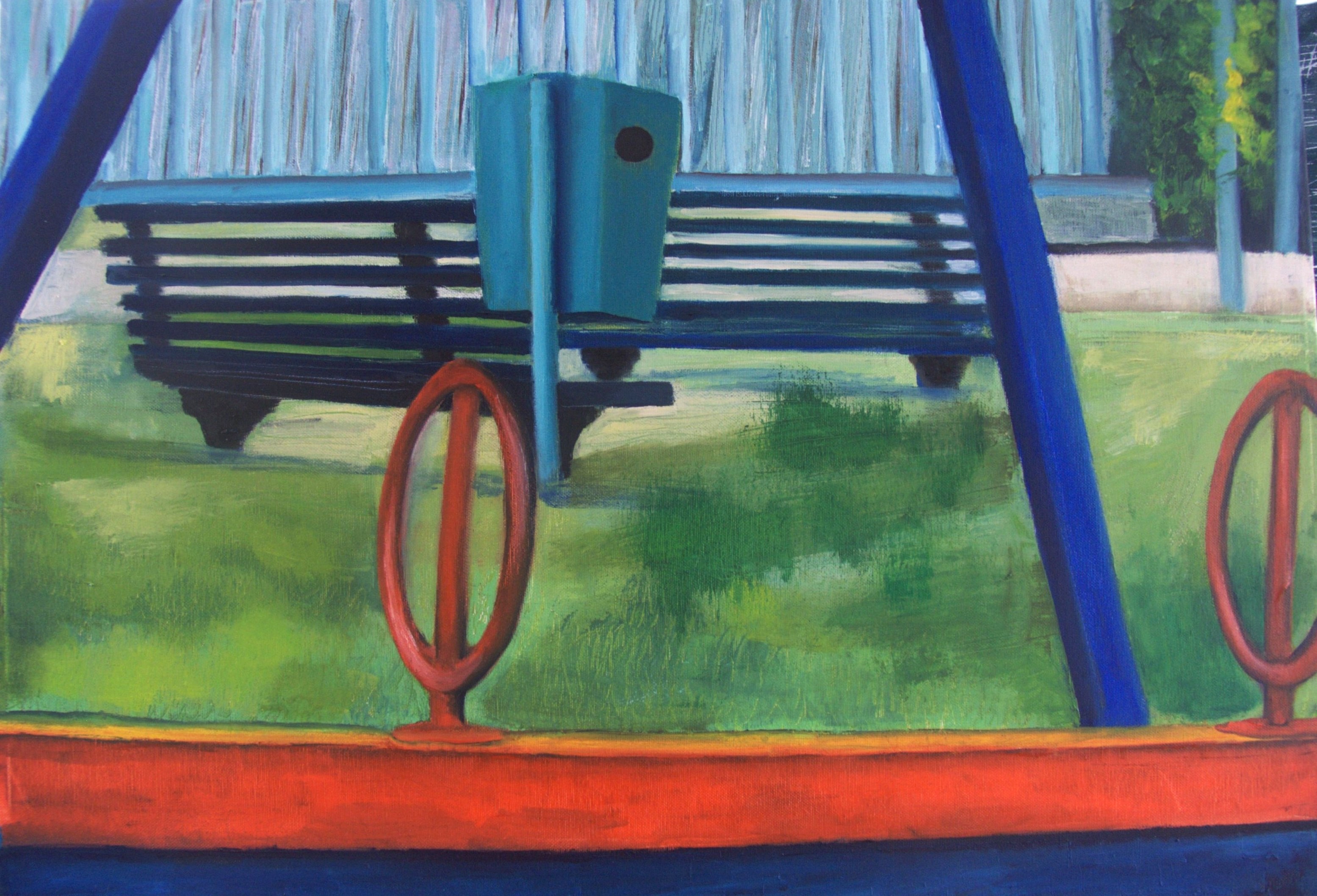
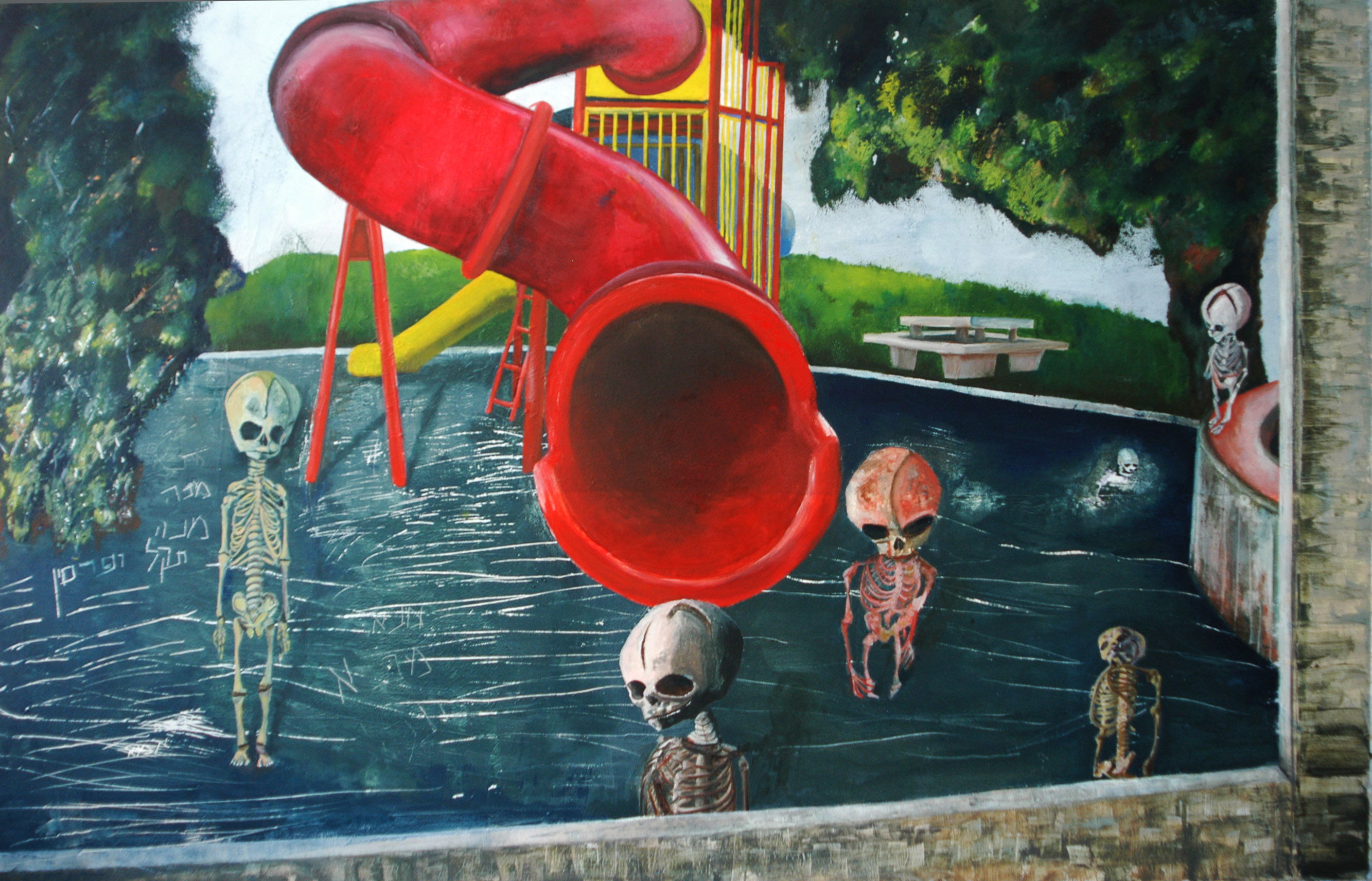
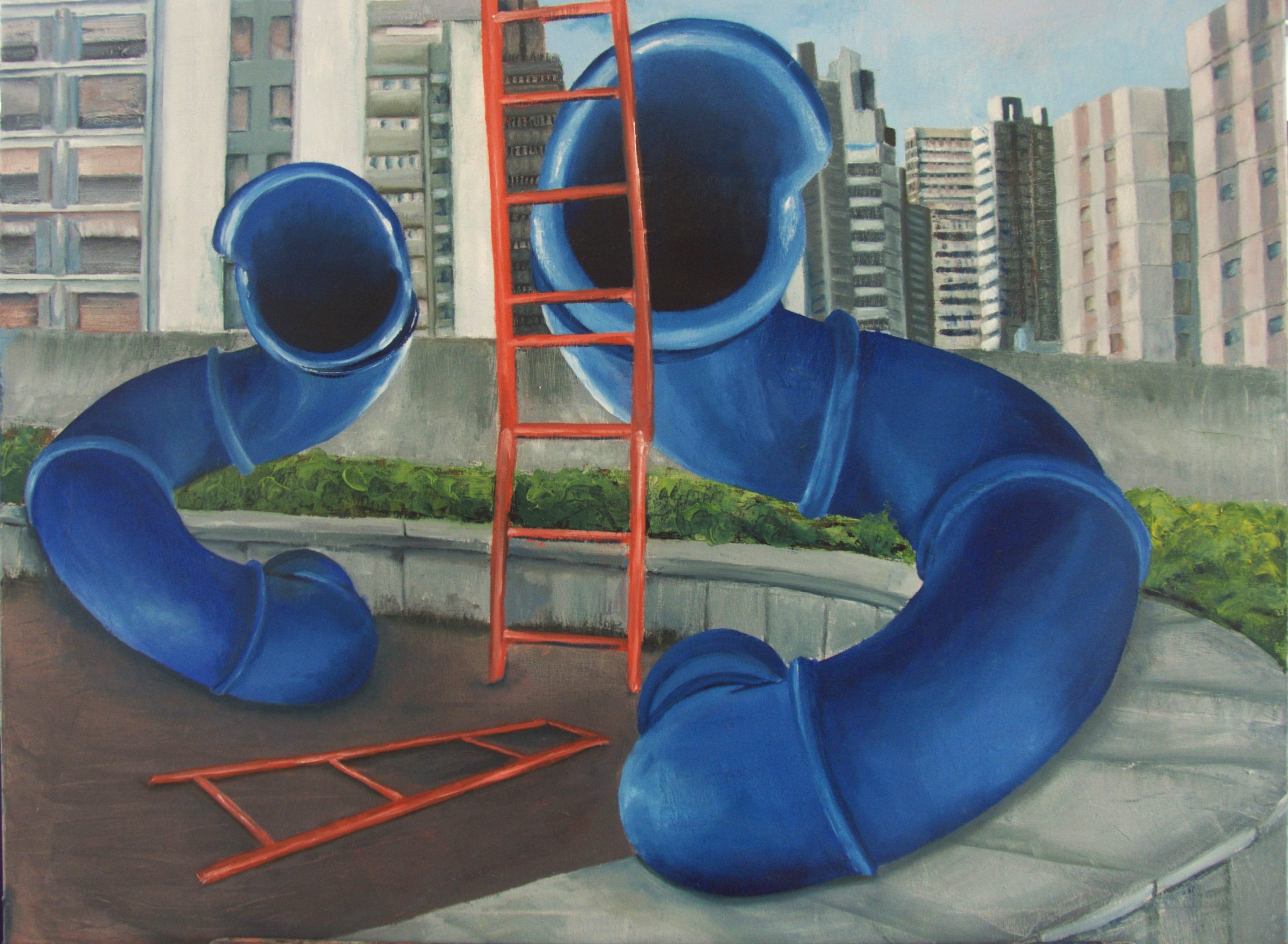
בשנים 2011–2016 ציירה סדרה של עבודות שמן ובהן גינת משחקים צבעונית מלווה בדמויות של ילדים הנראים כשלדים.
"ראיתי אותם מתים במלחמות."
המגלשות החינניות נראות כמשפך הפולט שלדים או כצינור השואב אותם פנימה. בחלק מהן רשום המשפט בארמית:
"מנא מנא תקל ופרסין" — כתובת המנבאת חורבן, מספר דניאל..
הסבתא המשחקת בהנאה עם נכדיה בגינת המשחקים היא רק מראית עין המכסה על תחושה של חרדה הולכת ומתגברת על גורלם בעתיד. אותה תחושה המוכרת לה היטב מעברה כאם.
הצורה הזו, שבה פחדים אימהיים שודחקו חוזרים ועולים שוב מאוחר יותר, מעניינת בהקשר של הנושא האימהי היהודי־ישראלי הבנוי, כידוע, משני סיפורים מקבילים — הסיפור האימהי האישי והסיפור האימהי הציוני. בין אם מדובר בהקשר היסטורי — הקושי, בישראל של שנות השבעים, להפגין רגשות חזקים של פחד אישי לבן המתגייס לצבא — או בפסיכולוגי — הדחקת הפחד הזה מהכרה אימהית — נראה שהחרדה המודחקת או העצורה של העבר הופכת למניע של היצירה.
ההתפתחות הטכנולוגית והאפשרות של המצלמה הדיגיטלית ללכוד שפע של דימויים עודדה את ראובן לצלם את המחוות הקטנות ביותר במשחק עם הנכדים — מחוות של יצרים ראשוניים, לא מעובדים, יומיומיים.
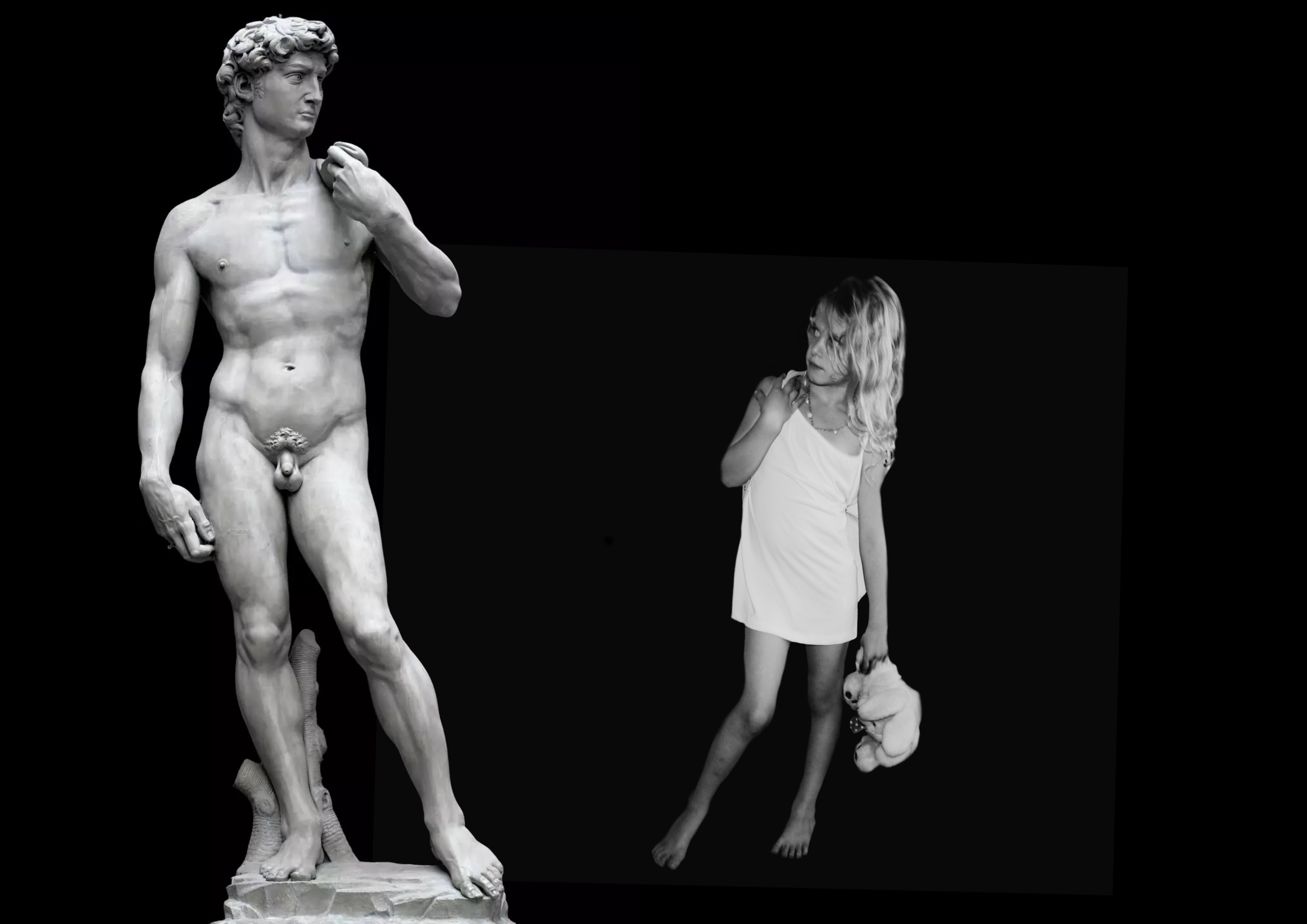
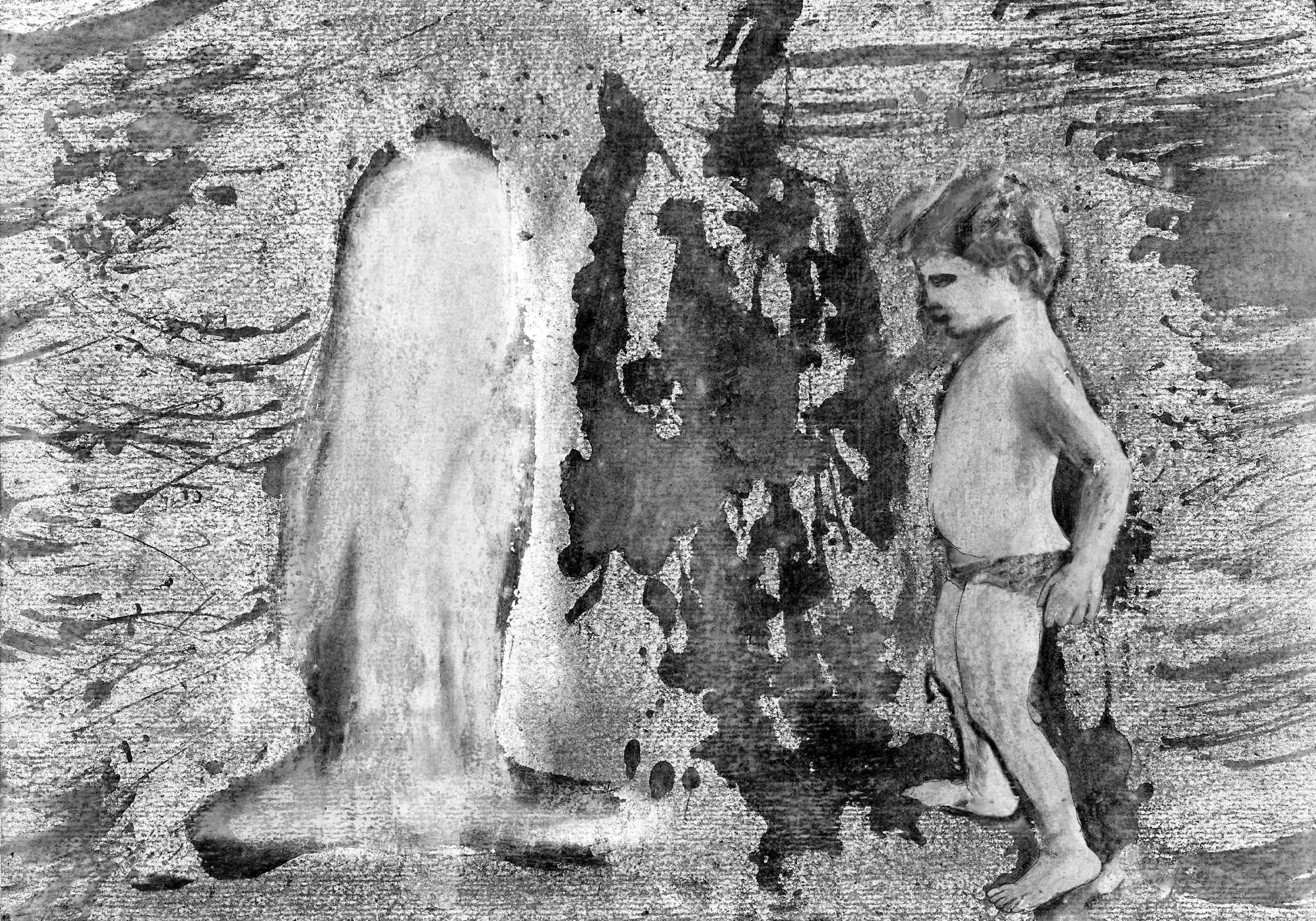
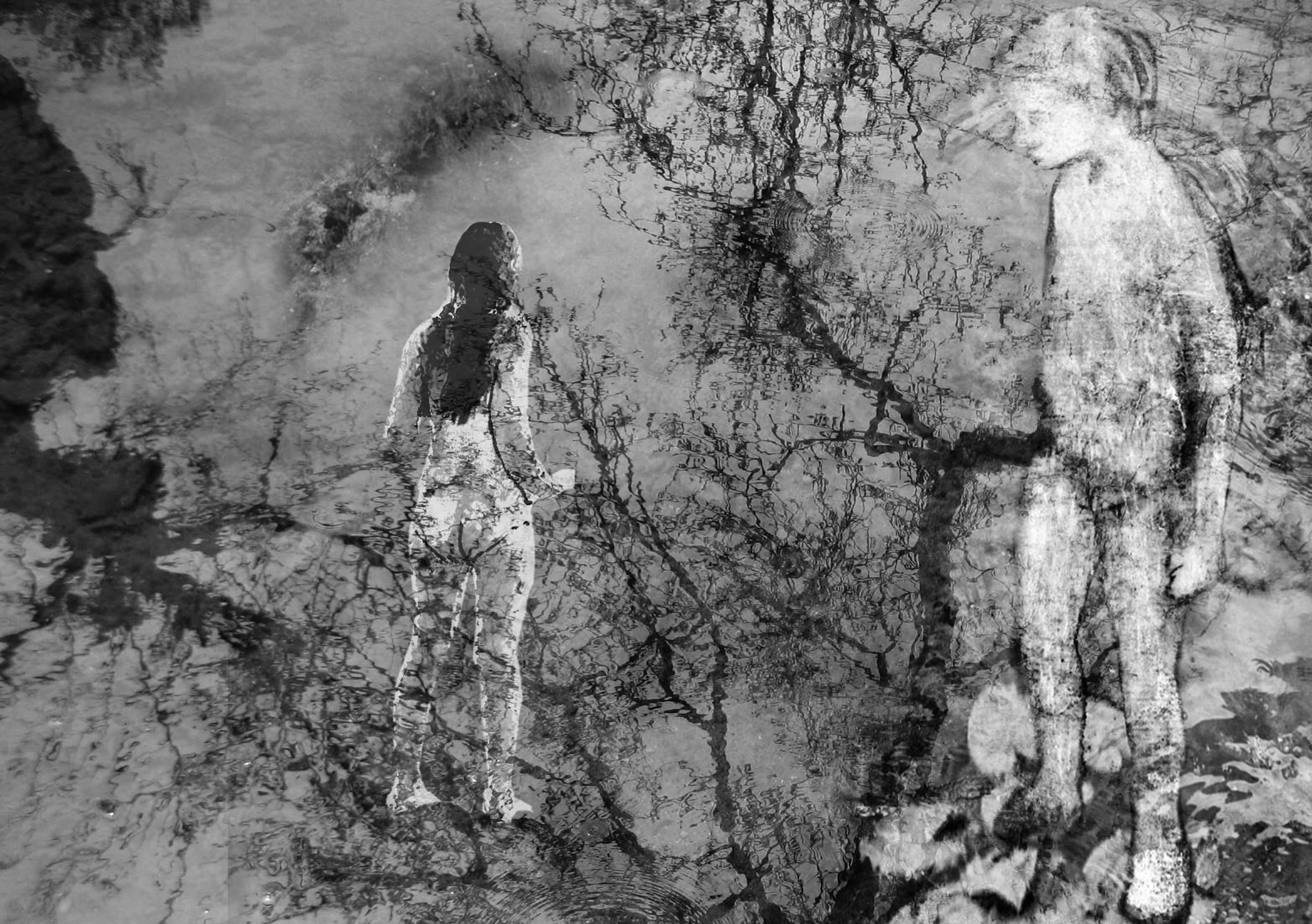
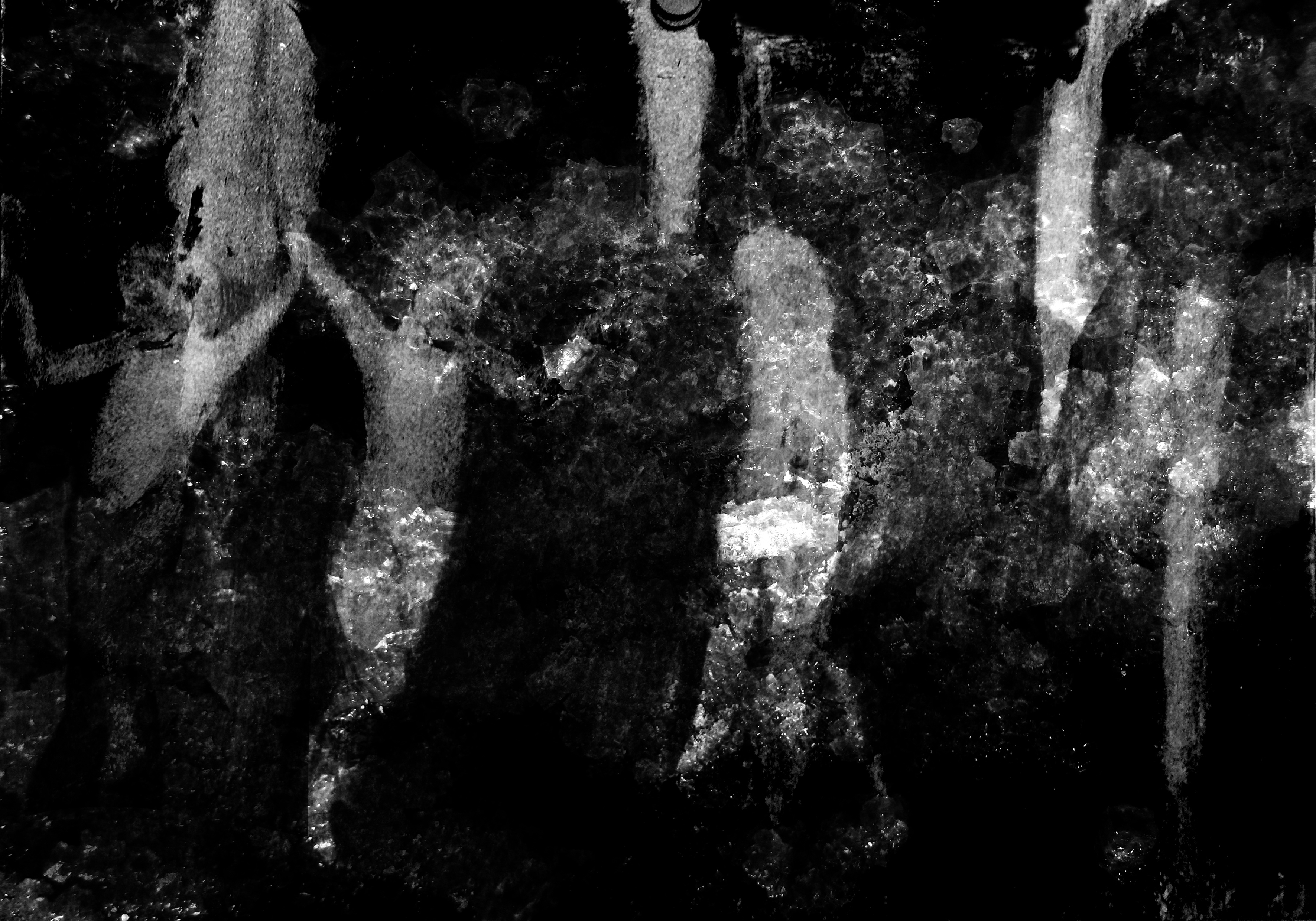
הסדרה "הילדים" (2012–2013) נשענת על צילומי יומיום של הנכדים אך נראית כאוסף של סצנות בלהות המשלבות אגדות ילדים ורוחות רפאים. בעוד הילדים משחקים, דימתה אותם בעתיד הקשה המחכה להם.
התהליך האמנותי — העברת הצילומים לציור בפחם על נייר, סריקתו והדפסתו על פרספקס שקוף — נועד, בין השאר, להרחקת חזיונות רפאים אלה ממנה והלאה.
«מנא מנא תקל ופרסין» — משפט בארמית בסיפור בספר דניאל, פרק ה’. המשפט נכתב ככתובת על הקיר; דניאל, שנקרא לפרש את הכתובת, מפרש אותה כחורבן בבל תחת המלך בלשאצר: האל מנה את מלכותך ושקל אותה, מלך בבל, וגזר שתחרב.
Ghosts of the Future
Dr. Hadara Scheflan Katzav
In 1973 Ruven gave birth to her firstborn son; ever since, the midwife’s words have kept echoing in her mind: “You have a son; by the time he is drafted, there will be peace.”
That sentence voices a feeling shared by many parents in Israel who fear for the safety of their children as they are drafted into the IDF, alongside a hazy memory from their youth of hope that peace was near and their children would no longer have to fight.
In Ruven’s case, anxiety over her children’s safety seems to find expression in her work at a later stage of her motherhood—specifically with the appearance of her grandchildren. The birth of her grandchildren released the maternal dread that had been held back in her work and kept from coming to the surface; whereas until then her art had dealt with past and present, many of her works from the time she became a grandmother engage the future and dread of what lies ahead.
In 2011 she painted a series of oil paintings featuring a colorful playground with figures of children who look like skeletons. “I saw them die in wars,” she tells me in a conversation about the works (Scheflan Katzav with Ruven, 2016). The childlike slides look like a funnel discharging the skeletons or a pipe drawing them inward. On some of them the sentence in Aramaic is inscribed: “Mene, mene, tekel, upharsin,” from the Book of Daniel, which Daniel interprets as an inscription prophesying the fall of Babylon.
The grandmother playing happily with her children in the playground is only a façade masking an attitude of anxiety steadily mounting over their fate in the future. She knows it all too well from her past as a mother. This form, in which maternal fears that were repressed return and rise again later, is interesting in the context of the Israeli-Jewish maternal subject that is built, as noted, from two parallel narratives—the personal maternal story and the Zionist maternal story. Whether the question is one of historical context—the difficulty, in 1970s Israel, of displaying strong feelings of personal fear for a son drafted into the army—or a psychological one—the repression of that fear from maternal consciousness—it seems that the repressed or arrested anxiety of the past becomes the driving force of the work.
Technological development and the digital camera’s capacity to capture a flood of images encouraged Ruven to photograph the smallest gestures in play with her grandchildren—gestures of primal drives, unprocessed, everyday. The series The Children (2012–13) rests on everyday photographs of the grandchildren yet reads like a collection of nightmare scenes blending children’s tales and ghosts. While the children played she imagined them, as she testified, in the harsh future awaiting them. The artistic process in which she transferred the photographs into charcoal on paper, scanned them, and printed them on transparent perspex was intended, among other things, to distance these ghostly visions from herself and beyond.
“Mene, mene, tekel, upharsin”—a sentence in Aramaic in the story in the Book of Daniel, chapter 5. The sentence was written as an inscription on the wall; Daniel, called to interpret the inscription, explains it as the doom of Babylon under King Belshazzar: God has numbered and weighed your kingdom, king of Babylon, and decreed that it be destroyed.